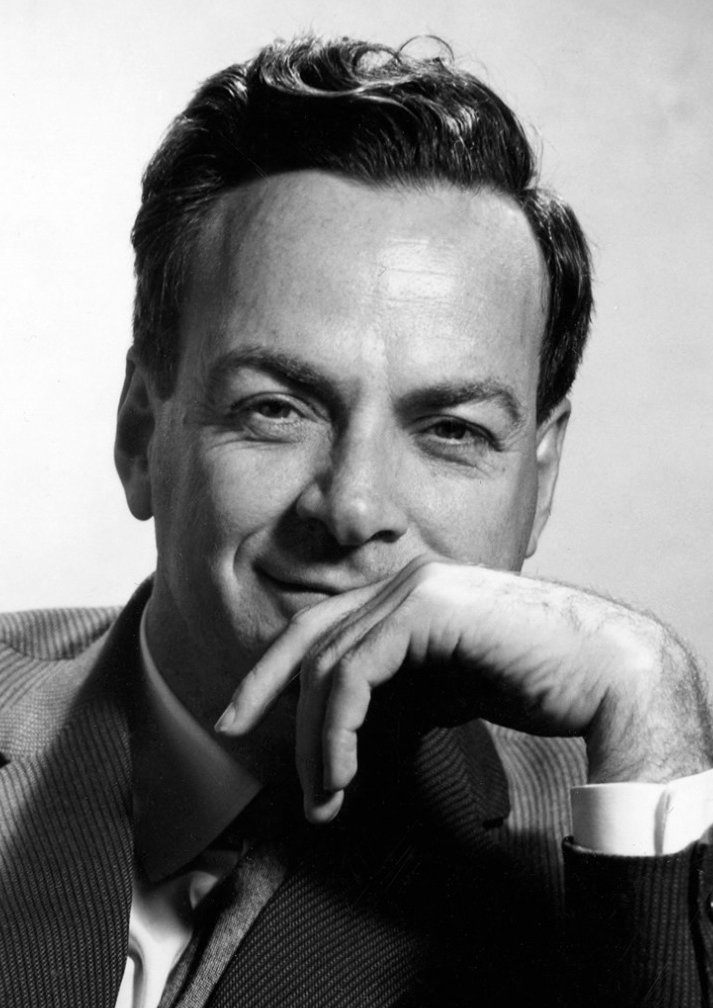
Richard Feynman
Teaching, curiosity, first principles
Learning Completeness
Expertise Profile
Mental Models
Naming ≠ Understanding
Knowing the name of something is not the same as understanding it.
Anti-Self-Deception Principle
The greatest cognitive trap is deceiving oneself.
Uncertainty as Strength
Admitting uncertainty is more powerful than pretending certainty.
Concrete Thinking
Turn invisible concepts into visible ones using analogies.
Deep Play
Follow curiosity without preconceptions of usefulness.
Decision Heuristics
01Cargo Cult Detection
Evaluate practices that seem 'right' but may just mimic form.
02Demonstration > Argument
A 10-second demo is more convincing than a 100-page argument.
03Reality Over Narrative
Trust facts over official narratives when they conflict.
04Close Options Once
Make a decisive choice to avoid repeated deliberation.
05From Specific to General
Start with a specific example or experiment, then derive general principles.
0612 Favorite Problems Filter
Keep 12 key questions in mind and test new information against them.
07Direct Verification
Try it yourself before relying on reports or summaries.
08Anti-Identity Fixation
Avoid defining yourself by labels that limit potential.
Anti-Patterns
01Terminology Overload
Using jargon to feign depth.
Intellectual Lineage
Timeline
Born in Queens, New York
Joined the Manhattan Project
Contributed to the development of the atomic bomb.
Awarded the Nobel Prize in Physics
Recognized for his work in quantum electrodynamics.
Passed away
Left a lasting legacy in physics and education.